
The Bloomfire alternative that turns content into closed deals.
Updated AUG 10, 2026 -
WHERE BLOOMFIRE GENUINELY SHINES
What Bloomfire has proven for internal knowledge
Bloomfire has been in the knowledge management space since 2010. It indexes and makes searchable an unusually wide range of content, including recorded video and audio, and its AI search assistant, Synapse, is consistently the most praised feature in customer reviews. These results are real and worth respecting. They also stop at search and storage: nothing here shows what happens once that knowledge needs to reach a buyer.
Why teams start looking for an alternative
The pattern we see isn't teams leaving Bloomfire. It's teams evaluating Bloomfire and discovering a gap between what's marketed and what's proven. Bloomfire lists Sales & Account Management among the departments its Enterprise Intelligence platform serves, alongside HR, Finance, and a dozen others. But look closely at what backs that claim: every one of Bloomfire's four public case studies above is an internal use case. None of them involve a workflow that reaches an external buyer. Every named persona in Bloomfire's own product navigation, Individual Contributors, Knowledge Managers, Senior Leaders, Stakeholders, Team Leads, describes someone inside the organization. None describes a sales rep engaging a prospect.
That's not a knock on the product. It's a genuine gap in the market's understanding, and it's exactly where teams comparing tools tend to get stuck. Bloomfire answers the first half of that job well, finding and storing what you already know. It hasn't shown its work on the second half: getting that content to a buyer, and knowing what they did with it.
BLOOMFIRE VS PAPERFLITE
What each one actually proves
Bloomfire proves search and storage. Paperflite proves that too, purpose-built for deal content, plus everything that comes after: curating, sending, tracking, prepping, and coaching. Here's how that plays out.
Bloomfire
Paperflite
Primary audience
Primary audience
Internal teams: support, ops, L&D, field staff
Sales and revenue teams, and the external buyers they're engaging
Search & findability
Search & findability
Deep, AI-powered search across documents, video, and audio, genuinely one of its strongest features
Seek surfaces the right content fast, built specifically for deal and buyer context
Curating for a deal
Curating for a deal
Digital Deal Rooms let reps preload and share content, business cases, and order forms with prospects, a real, named feature built for sales teams.
Deal Rooms bring content together in a single, trackable space built around the buyer's journey
After content is shared
After content is shared
Engage and Deal Insights track what a buyer opens, how long they engage, and where momentum is slowing
No public evidence of tracking external buyer engagement
Prep & coaching
Not part of the platform
Prep & coaching
Smart Prep gets reps ready before the call. HeySales coaches them with real buyer objections and simulations.
Proven use cases
Safety training, contact center support, advisor onboarding, frontline knowledge
Proven use cases
Sales content management, deal rooms, buyer engagement tracking
Fully custom across all three tiers, every plan requires a quote
Pricing
Published and transparent pricing, no quote required.
Pricing
WHERE PAPERFLITE FITS
Built for the whole life of a piece of content
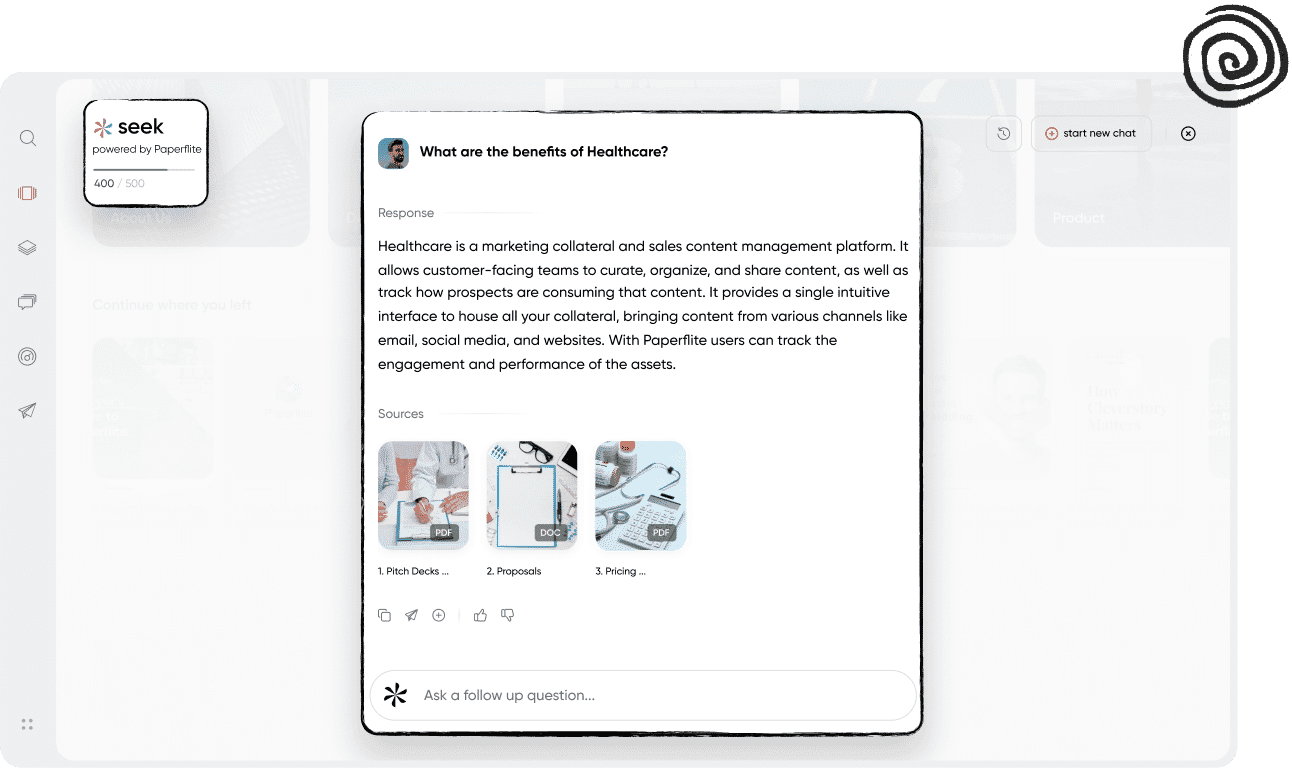
Find it fast, for the rep
For a sales or enablement team building out a content strategy for buyers, not just for reps, the job involves more than internal knowledge management. It starts with getting the right piece of content in front of the right buyer at the right stage of a deal. Paperflite's Seek makes finding that content fast for the rep. It's the same search strength Bloomfire has, just purpose-built for deal content instead of a general archive.
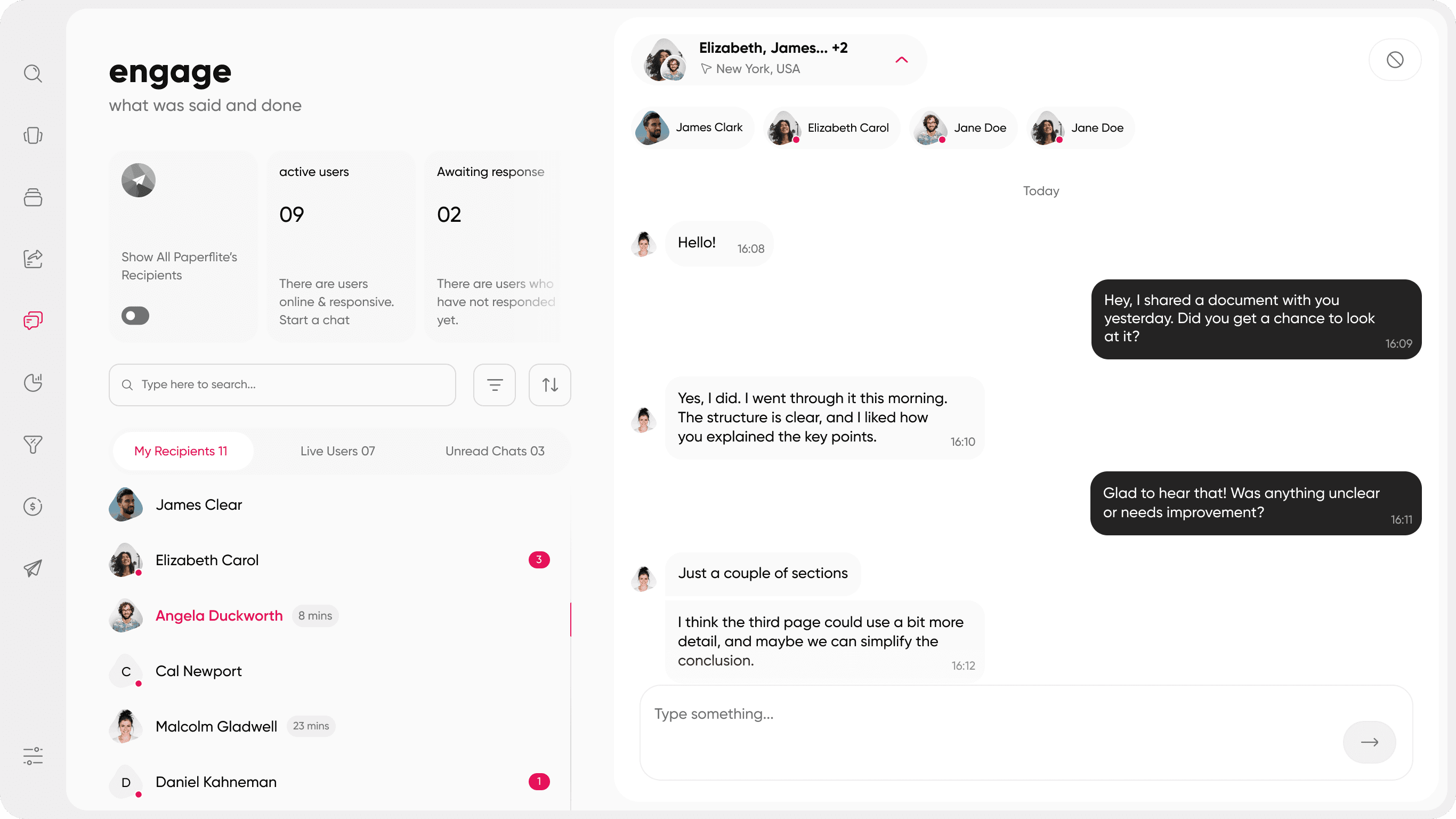
Know what happens after it's sent
The real difference shows up after the content is sent. Engage tracks what the buyer actually does with it, whether they opened it, how long they spent, what they forwarded internally. Deal Rooms bring that content together in a single, trackable space built around the buyer's journey, not the seller's file structure.
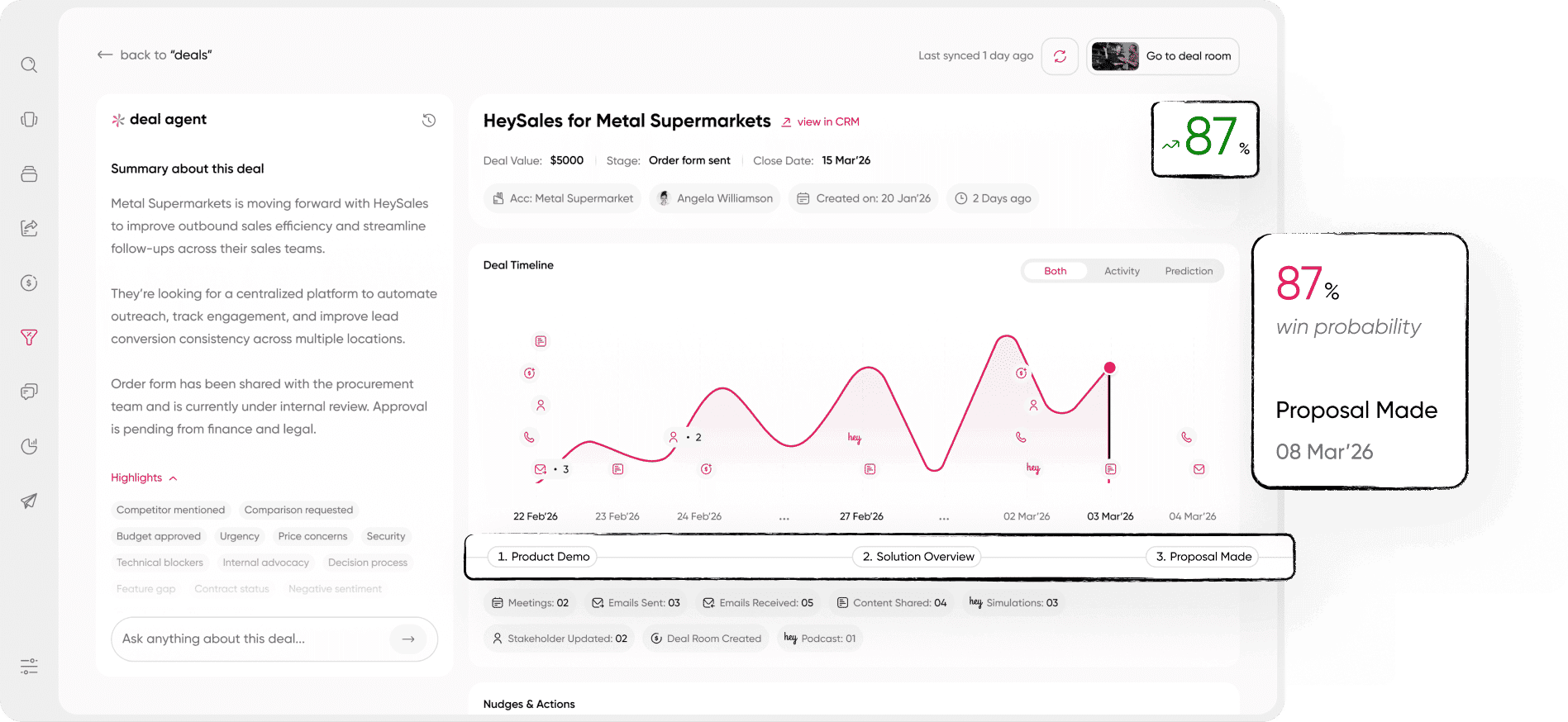
Turn that activity into a signal
Deal Insights turns that activity into a signal, surfacing which stakeholders are engaging, and when momentum is slowing, so reps and managers see deal health before it's too late. For a RevOps or enablement leader trying to prove content ROI, that visibility is the entire point, not a nice-to-have layered on top of a knowledge base.
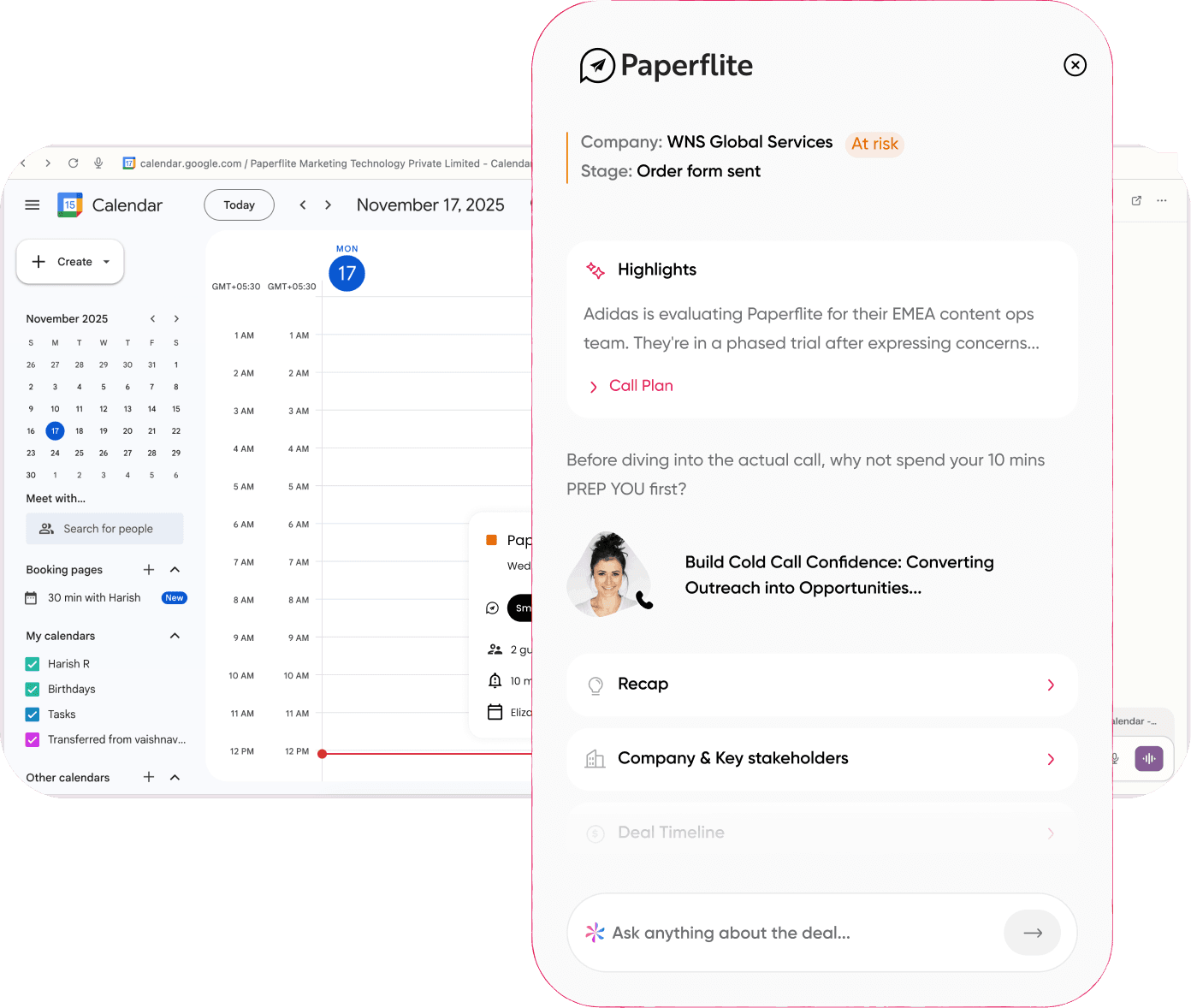
Walk into the call ready
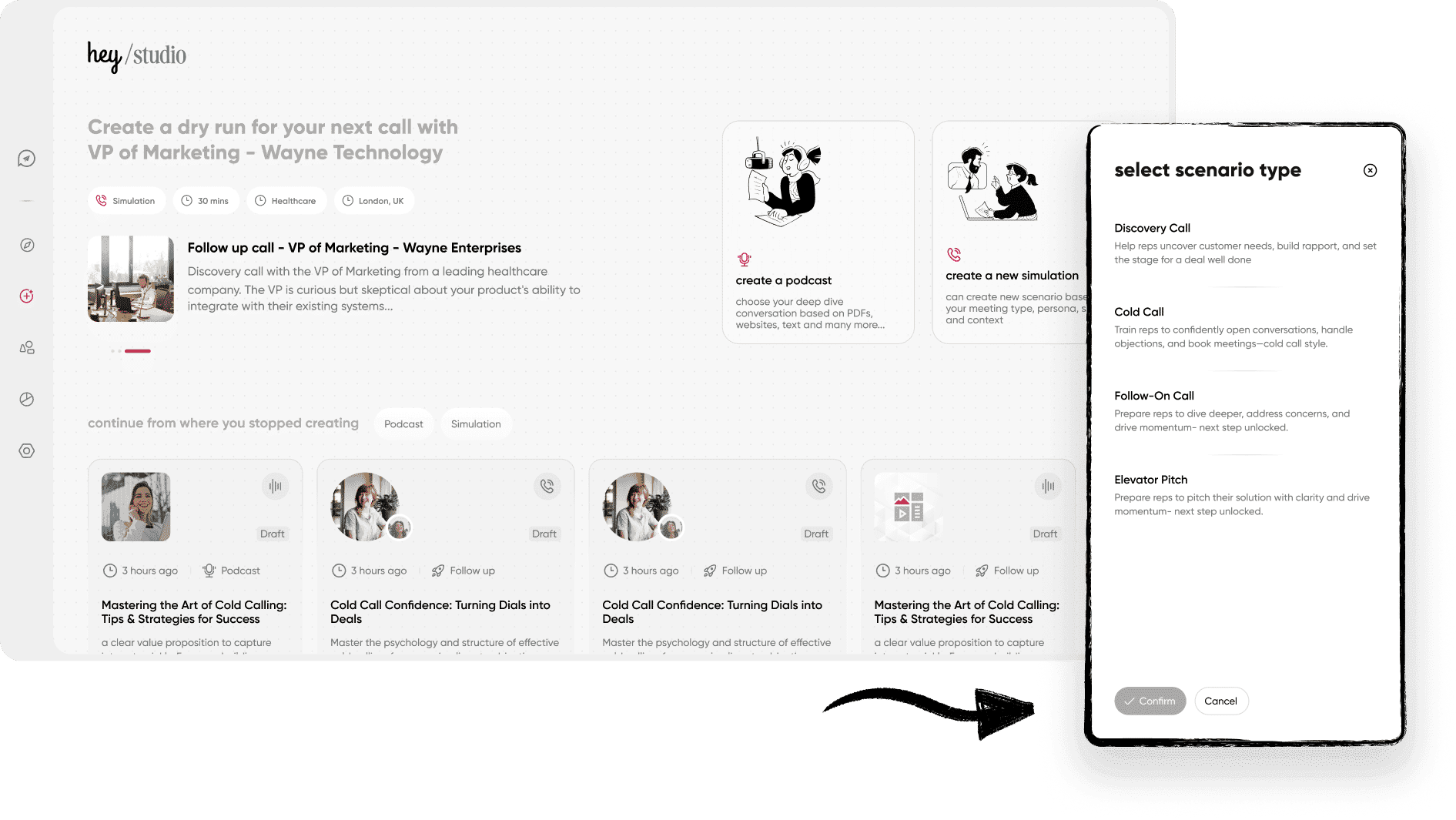
Smart Prep pulls together the right content and context from all your sources (CRM, Linkedin, Notes, etc) before a call, so reps walk in ready with a dry run of the prospect instead of piecing it together last minute.
Get sharper for the next one
Once the call happens, HeySales, built as part of the same ecosystem, gives reps a place to rehearse real scenarios, get live call scoring, and see exactly where the conversation went well or fell short. The content and the conversation work together instead of living in separate tools.
What changes with Paperflite in the mix
Not in theory, day to day, for the people actually doing the work.
For reps
For managers
For the whole team
Stop digging for the right file
See a deal stall before it dies
Every call sharper than the last
Seek surfaces the right content in seconds, built for the deal in front of them, not a general archive to search through.
Engage and Deal Insights show what a buyer opened, how long they stayed, and when momentum drops, while there's still time to act on it.
Smart Prep gets reps ready before they dial in. HeySales coaches them with real buyer objections and simulations, so the next call is better than this one.
Frequently asked questions
Is Bloomfire good for sales teams?
Bloomfire markets Enterprise Intelligence to sales and account management teams, but its published case studies and product personas are all internal-facing: safety training, contact center support, advisor onboarding. There's no public evidence yet of it being used for external, buyer-facing content.
What's the difference between Bloomfire and Paperflite?
Bloomfire is built for organizing and searching internal company knowledge, and it's proven at that job. Paperflite covers the fuller sales content lifecycle: searching, curating content for a specific deal, sending it, tracking what a buyer does with it, and prepping and coaching the rep, all in one place.
Does Bloomfire have a digital sales room?
Bloomfire markets sales-related capability as part of its broader Enterprise Intelligence platform, but it doesn't publish a case study or dedicated persona for external, buyer-facing content the way a purpose-built sales content platform does.
What is Bloomfire best used for?
Internal knowledge management at enterprise scale, particularly for organizations with large volumes of recorded video or audio content and a need to distribute institutional knowledge across departments.
Can Bloomfire track buyer engagement with content?
There's no public case study or documentation showing Bloomfire tracking external buyer engagement specifically. Its analytics capability is named on their site as an "Analytics Suite," but its exact scope isn't publicly documented in detail.
How much does Bloomfire cost?
Bloomfire's pricing is fully custom across all three of its tiers (Team, Department, Enterprise). There are no published rates, every plan requires a quote directly from Bloomfire.
Paperflite's Content Technologyin Action
It's Easier Than Falling Off a Log
(Don't Ask Us How We Know That)

